A data center can be a good investment for its owner and a bad deal for the people paying for the power lines. Before calling it progress, ask whether those are the same people, what each group gets, and who pays if the expected customers never arrive.
A company forecasts demand.
A utility plans construction.
A community commits land and water.
The forecast can change much faster than the commitments.
The International Energy Agency’s 2026 analysis of energy and AI describes this mismatch between the pace of data-center development and the slower pace of energy investment. It also points out that better efficiency per AI task doesn’t settle the question of total demand: more users and more demanding applications can consume the savings. A more efficient system can still need more electricity.
Here in Ohio, we have a concrete example of assigning responsibility before the bill arrives. In July 2025, the Public Utilities Commission of Ohio ordered AEP Ohio to establish a data-center tariff, specifically addressing the risk that customers other than the data center would pay for infrastructure built for hypothetical demand that didn’t materialize. AEP’s description of the tariff includes minimum demand charges and financial security requirements. Those provisions address one question about electricity prices: how much of a company’s forecast should its neighbors have to finance?
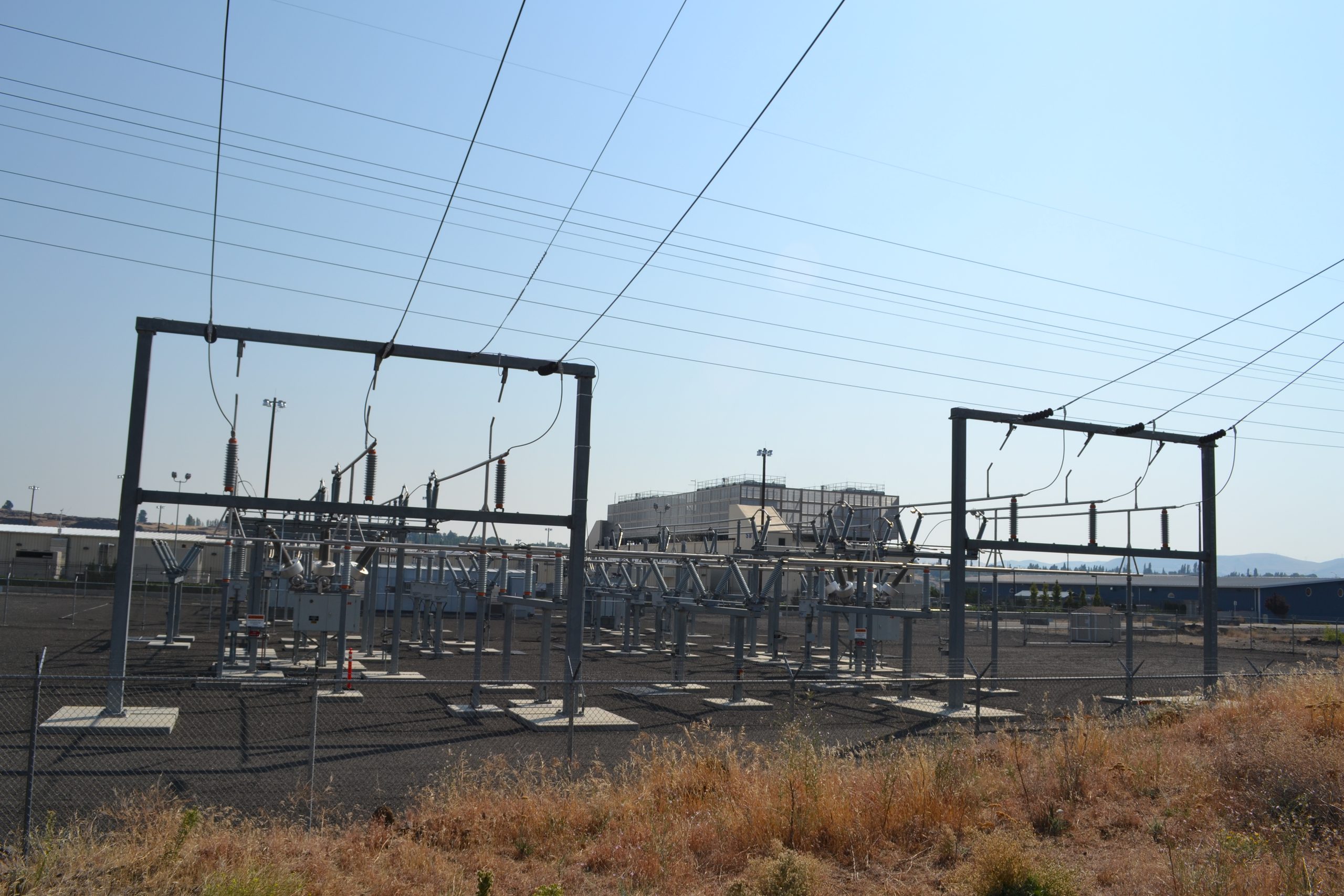

I’d like to see a broader test for the whole undertaking. Does it help people live healthier, safer, freer lives, with more opportunity and a habitable environment? That includes people who never buy the service, people outside where it’s built, and people who will inherit the infrastructure. A rising valuation doesn’t answer all of those questions.
There are benefits worth pursuing: better tools for research, accessible services, and more reliable energy systems. Infrastructure that serves homes, hospitals, and other businesses after the original customer changes its plans (and plans always change) could be a good investment. Public investment can be justified by public benefits; the benefits and obligations should be specific enough that we can verify them.
Financing needs the same attention. The April 2026 financial stability report from the International Monetary Fund (IMF) examines arrangements in which AI companies are one another’s customers, investors, and financiers. Those relationships make it harder to see where demand and risk actually sit. The report also describes the strong finances of major cloud companies and assesses their financial stability risks as contained at that time. There’s a reason to examine the obligations without assuming a collapse is inevitable.
My preference is for investors and lenders to bear risks they can evaluate and absorb, with enough disclosure to make that possible. If a project requires a public guarantee, the public should get an explicit decision about the exposure and a corresponding benefit. An optimistic sales forecast is no substitute for either.
Environmental accounting needs to be just as concrete. Which water supply will a facility use? What happens during a dry summer? Which generators supply the electricity when the facility needs it? A 2026 review of AI sustainability describes another complication: some ways of reducing cooling water use can increase carbon emissions. We need to examine the tradeoffs together, including the people and ecosystems affected by them.
Those physical dependencies also expose projects to externalities. The IMF report traces how the Middle East war affected energy prices and financial conditions. The Intergovernmental Panel on Climate Change’s assessment of cities and infrastructure describes how climate hazards can cause failures to spread between connected systems. A plan should still provide useful services under several plausible futures, through adaptable infrastructure, alternative suppliers, and backup capacity.
Responsibility also has to reach the software using that infrastructure. An autonomous AI system should have a defined scope of authority, records of consequential actions, and someone who can stop it. Systems capable of widespread harm should have independent evaluation and meaningful incident disclosure. The organization deploying the system should remain answerable for what it authorizes the system to do.
Communities need an opportunity to act before a decision becomes expensive to change. That means understandable proposals, access to independent expertise, and enforceable terms for costs, resource use, and promised benefits. The process needs clear deadlines and consideration of regional needs, including the costs of delaying useful development. The people should be able to negotiate a proposal while there is still something left to negotiate.
This is layered resilience. The practical implication: several institutions doing specific jobs, with ways to detect failure and limit its consequences. No single audit, tariff, permit, or backup system can carry the whole responsibility.
Always ask: Who benefits, who can be harmed, and who has the authority and resources to put things right?
—jhunterj
BTW: AEP is American Electric Power. AEP Ohio is now operating as Ohio Power Company. https://www.OhioPowerCo.com/company/news/view?releaseID=12277